| The publication this week (21 October 2026) of the House of Commons Environment, Food and Rural Affairs Committee’s report, A burning issue: managing wildfire risk, is an important opportunity to reflect on the lessons from this summer and the action needed to reduce the risk of future wildfires.
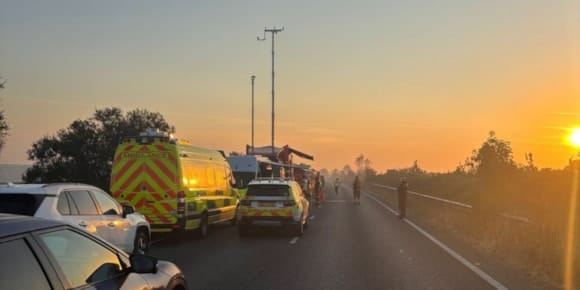
Here in the New Forest, the wildfire in August which spread from the A31 was a stark reminder of how quickly a fire can threaten our precious landscape, damage wildlife habitats and disrupt the lives of people who live, work and visit here. More than 100 hectares of heathland and woodland were affected over multiple days, and the A31 closure created disruption at one of the busiest times of year. I know that many people across our district remain concerned about the impact of the fire and what it means for the future of the Forest. I want to reassure you that work is continuing across local partners as part of the multi-agency recovery work. We are working with Forestry England, Hampshire and Isle of Wight Fire and Rescue Service, the New Forest National Park Authority, National Highways, Hampshire County Council and other partners throughout the response and recovery. Each organisation has a different role. Our role is focused on supporting local communities and businesses, contributing to partnership coordination and helping ensure local concerns inform the wider recovery. The council has also sought feedback from residents, businesses, community organisations and other groups about their experiences of the fire. Understanding what went well, what was difficult and what support is still needed, will help inform our work with communities, our emergency planning and our contribution to the wider multi-agency partnership. The government’s report brings these local experiences into a wider national discussion about how the country prepares for, prevents and responds to the growing risk of wildfires. And I welcome this important debate. Our experience here shows why wildfire prevention and preparedness must be taken seriously, and why the voices of affected communities, emergency services, land managers and the organisations responsible for protecting our landscapes need to inform future decisions. The report’s recommendations provide an opportunity to strengthen the national approach before next spring and summer when warmer temperatures and dryer weather will pose a higher risk of wildfires once again. We hope the government will carefully consider its findings and set out how the recommendations will be taken forward. National action matters, but local partnership working matters too. We will continue to support partners by sharing learning from this summer, strengthening our own emergency planning and communications, representing the needs of local communities and promoting practical steps that everyone can take to help prevent future fires. Although the main summer visitor season has passed, wildfire prevention remains important. The risks vary with the weather and conditions on the ground, but the consequences of a fire can be devastating at any time. And there are some simple things we can all do, like taking litter home, not lighting fires in the Forest, and reporting any fires that do occur. Please also help us spread the word. Sharing advice from us, the fire service, Forestry England and the National Park Authority helps ensure that visitors and residents receive consistent information, and that awareness of the PSPO banning fires and barbecues in the Forest is understood. Looking ahead, recovery of the affected land will take time and will be led by Forestry England, working with the relevant environmental and public bodies. As Leader of New Forest District Council, I want to again thank everyone who played a part in the response, and promise that we will continue to work with our partners, listen to the experiences of local people and use the lessons from this summer to strengthen the council’s support for communities and its contribution to local preparedness. The publication of this national report makes that work especially timely, and I hope its recommendations will lead to clear action that supports land managers, emergency services, councils and communities to be better prepared before the next period of heightened wildfire risk. Councillor Jill Cleary
|